Pending end of Bush tax cuts spells doom for U.S. economy
from  JoeUser Forums
JoeUser Forums
Rather than let the resident  have all of the fun here, I figure I can use my own possibly misleading headline to trumpet pending doom and gloom.
I use cautious words like possibly because as you keep reading you'll see that I am probably far more serious in my comments than the flamboyant headline might indicate.
While the resident troll continues to bash away and blames the Bush tax cuts for the deficits (even as others correct him and remind him that the deficits are multiple times larger than the totals that were accounted for in the tax cuts, and even as others correct and remind that the tax cuts only prevented the government from robbing even more of the money that was earned by those fortunate enough to make it to begin with), I am going to get way out in front and make a cause and analysis statement that as the Bush tax cuts start to expire and sunset, the economy is going to take a serious dump.
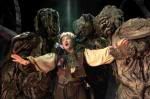
How can I make such a statement? Let me answer that question with a question dear readers. How can anyone possibly link the Bush tax cuts to the deficit? If they are serious in their attempts to do so they are nothing more than trolls - just like the linked image above. Do they have some minimal amount of truth backing their claims -- only in the fact that the government didn't restrain spending as it should have when those cuts were enacted.
With emergency spending for unforseen war(s), and emergency spending on natural disasters, there were small amounts of money that weren't accounted for which became bigger. Something on the order of (at this point) half a trillion dollars ($500 Billion) have gone into such things. At the same time, something on the order of $700 Billion could have gone back into the government coffers if the Bush tax cuts had been changed. Congratulations, you've just kept a very tiny amount of the national deficit from occuring (assuming you successfully rolled back those taxes).
On the other hand, it is very possible that as the Bush tax cuts expire and the money that was freed up and flowing because of it dries up and gets sucked into the vacuum of government spending. When that happens the economy takes a serious dump and jobs that have been created dry up, unexpected revenues from taxes paid from any number of sources that received the impact of the "freed wealth" that was released because of the Bush cuts disappear.
Will the "little people" that were crying about taxing away wealth from people do anything when that happens -- sure, they'll find some new way to tax away even more money so they can help redistribute the wealth and fight the laws of nature which led to the wealth being where it was to begin with. When that doesn't work, they'll eventually be tossed out of office and we'll get a whole new round of revenue enhancing tax cuts from another administration that is smart enough to really understand the economy and how things work, even when there are pessimists and opportunists in the Fed that fret over inflation as they steer us into the next self-created recession.
have all of the fun here, I figure I can use my own possibly misleading headline to trumpet pending doom and gloom.I use cautious words like possibly because as you keep reading you'll see that I am probably far more serious in my comments than the flamboyant headline might indicate.
While the resident troll continues to bash away and blames the Bush tax cuts for the deficits (even as others correct him and remind him that the deficits are multiple times larger than the totals that were accounted for in the tax cuts, and even as others correct and remind that the tax cuts only prevented the government from robbing even more of the money that was earned by those fortunate enough to make it to begin with), I am going to get way out in front and make a cause and analysis statement that as the Bush tax cuts start to expire and sunset, the economy is going to take a serious dump.
How can I make such a statement? Let me answer that question with a question dear readers. How can anyone possibly link the Bush tax cuts to the deficit? If they are serious in their attempts to do so they are nothing more than trolls - just like the linked image above. Do they have some minimal amount of truth backing their claims -- only in the fact that the government didn't restrain spending as it should have when those cuts were enacted.
With emergency spending for unforseen war(s), and emergency spending on natural disasters, there were small amounts of money that weren't accounted for which became bigger. Something on the order of (at this point) half a trillion dollars ($500 Billion) have gone into such things. At the same time, something on the order of $700 Billion could have gone back into the government coffers if the Bush tax cuts had been changed. Congratulations, you've just kept a very tiny amount of the national deficit from occuring (assuming you successfully rolled back those taxes).
On the other hand, it is very possible that as the Bush tax cuts expire and the money that was freed up and flowing because of it dries up and gets sucked into the vacuum of government spending. When that happens the economy takes a serious dump and jobs that have been created dry up, unexpected revenues from taxes paid from any number of sources that received the impact of the "freed wealth" that was released because of the Bush cuts disappear.
Will the "little people" that were crying about taxing away wealth from people do anything when that happens -- sure, they'll find some new way to tax away even more money so they can help redistribute the wealth and fight the laws of nature which led to the wealth being where it was to begin with. When that doesn't work, they'll eventually be tossed out of office and we'll get a whole new round of revenue enhancing tax cuts from another administration that is smart enough to really understand the economy and how things work, even when there are pessimists and opportunists in the Fed that fret over inflation as they steer us into the next self-created recession.